Malaysia Seizes 30 AI-Chip Servers in Suspected Export-Control Violation
10/31/2026 / By Sterling Ashworth
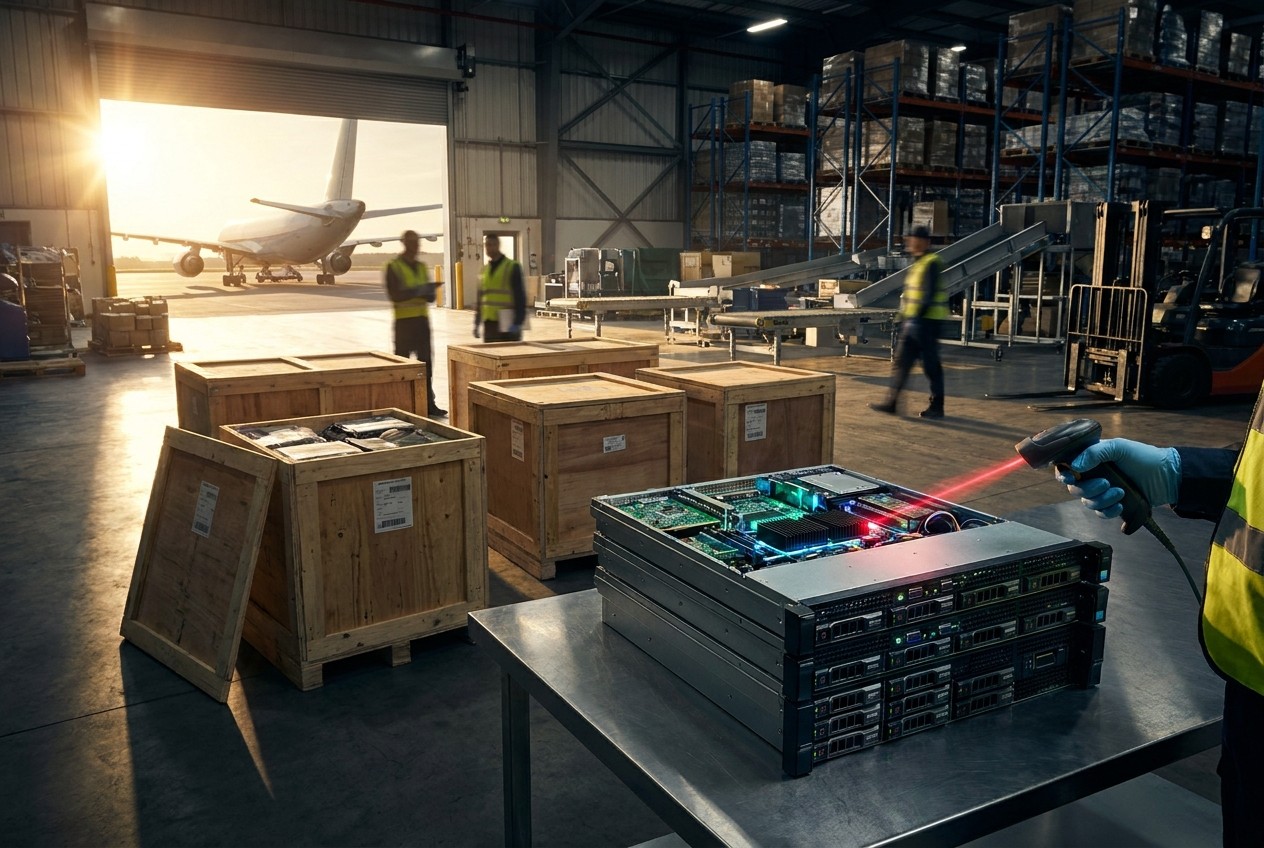
Malaysia’s customs department said Wednesday it had seized 30 servers equipped with advanced artificial intelligence chips in a suspected export-control violation, according to officials. The shipment was valued at about 50 million ringgit ($12.2 million), the customs department said. The servers were intercepted on Oct. 15 during an inspection at the free trade zone area at the country’s main airport, Kuala Lumpur International Airport (KLIA), officials said. The case represents the fifth seizure this year linked to the same suspected syndicate, according to KLIA Customs director Aspalila Ag Tuah.
The customs department said officials believe a syndicate is using Malaysia as a transit hub to re-export the chips to another Asian country. The department did not provide additional details about the syndicate or its operations.
Malaysia has stepped up scrutiny of international shipments containing advanced AI hardware, particularly chips manufactured in the United States, as global demand for such technology has surged. The seizure highlights the challenges authorities face in monitoring complex supply chains that often involve multiple countries and transshipment points.
Permit Requirements and U.S. Pressure
Malaysia introduced permit requirements last year for the export, transit and transshipment of high-performance AI chips of U.S. origin, according to the customs department. The requirements were imposed under pressure from the United States to ensure sensitive technology is not rerouted to China through third countries, officials said.
Washington has sought to restrict China’s access to advanced semiconductors to curb Beijing’s AI and military capabilities, according to U.S. policy statements. The U.S. has repeatedly urged allies and partners to tighten export controls on critical technologies, arguing that unregulated flows undermine global security. Malaysia’s move to impose permit requirements aligns with these efforts, although enforcement remains a work in progress.
The customs department said the seized shipment did not have the required permit for re-export. Under the new rules, companies must obtain approval before moving AI chips of U.S. origin through Malaysian territory. The regulations are designed to increase transparency and accountability in the supply chain, but officials acknowledge that illicit networks continue to exploit gaps in oversight.
Interception and Declaration Details
Airport customs director Aspalila Ag Tuah told reporters the servers came from an Asian country and were falsely declared as electric components to avoid detection. She said the shipment was being re-exported to another Asian country without the required permit. The false declaration is a common tactic used by smuggling syndicates to evade customs scrutiny, according to officials.
The customs department said in a statement that the syndicate is using Malaysia as a transit destination to ensure there would be no restrictions imposed while the servers are exported to the next destination. The statement did not name the origin or destination countries, citing the ongoing investigation. Aspalila said the case remained under investigation and declined to give further details on the origin of the chips or their final destination.
The interception at KLIA’s free trade zone, a designated area where goods can be stored, handled, and re-exported with minimal customs intervention, underscores the vulnerability of such facilities to illicit trade. Authorities are reviewing procedures at the free trade zone to prevent similar incidents in the future, according to the customs department.
Prior Cases and Company Investigation
Aspalila said the shipment was believed to be linked to a syndicate behind five attempted smuggling operations, according to customs officials. She said one prior case occurred in June, when customs authorities seized 72 servers containing advanced AI chips at the airport’s free trade zone.
A Malaysian firm that facilitated the shipment has been called in to assist investigations, Aspalila said. The firm’s role in the shipment is under scrutiny, but officials did not disclose its name or the nature of its involvement. The customs department said investigations were continuing and did not provide additional details about the firm or the syndicate.
The prior cases suggest a pattern of attempts to move high-performance AI chips through Malaysia, often using false declarations and exploiting free trade zones. Authorities are collaborating with international partners to trace the networks involved and disrupt their operations, according to the customs department.
Investigation Ongoing
Aspalila declined to give further details on the origin of the chips or their final destination, saying the case was under investigation. The customs department said the seizure was part of an inquiry into suspected export-control violations involving high-performance AI chips. The investigation is focused on identifying the individuals and companies behind the syndicate and determining the full scope of their operations.
No charges have been announced, and officials did not provide a timeline for the investigation, according to the customs statement. Under Malaysian law, export-control violations can carry penalties including fines and imprisonment, but the specifics depend on the nature of the offense. The customs department has not commented on potential charges in this case.
The seizure comes as Malaysia seeks to balance its role as a global trade hub with its obligations to enforce export controls. The country’s free trade zones are critical to its economy, but they also present challenges for authorities tasked with preventing the diversion of sensitive technology. The outcome of this investigation could influence how Malaysia tightens its controls in the future.
Reference
- Malaysia seizes servers with advanced AI chips suspected of violating export controls. https://apnews.com/article/malaysia-us-ai-chips-export-transit-technology-79a912de57b21a4e59b27c9a86340202
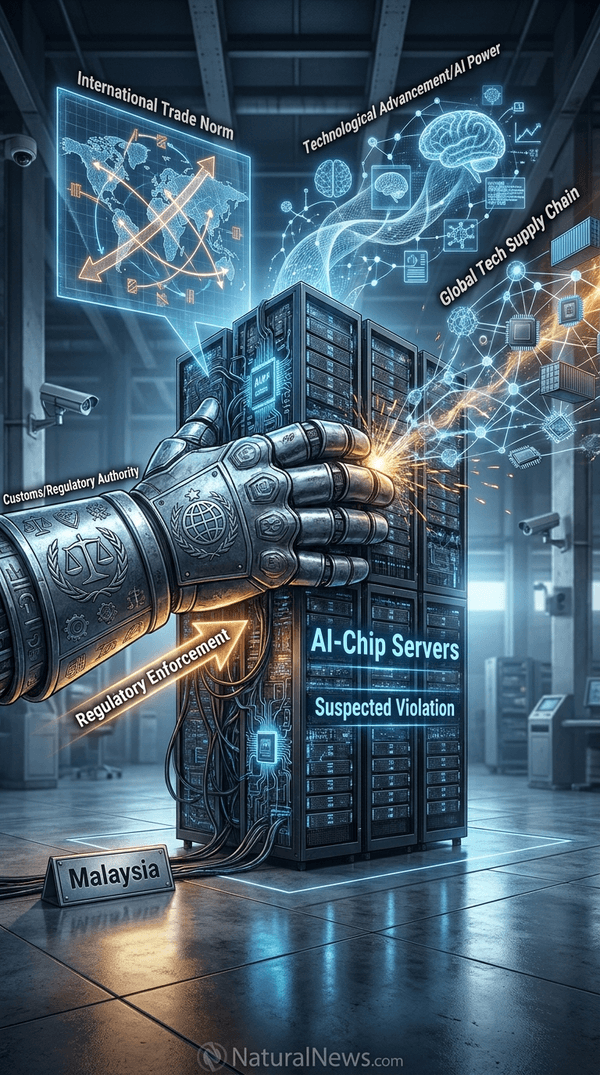
Explainer Infographic
Submit a correction >>
Tagged Under:
AI, AI race, AI supremacy, AI Wars, America, artificial intelligence, Beijing, Big Tech, blockchain-like networks, ChatGPT, China, computing, corporate monopolies, decentralized AI, DeepSeek, information technology, open-source AI, OpenAI, Qwen, STEM, United States
This article may contain statements that reflect the opinion of the author
RECENT NEWS & ARTICLES